
Tess Casher is a young Canadian Rhodes Scholar who moved to England last year to attend Oxford University. A person who stutters, she has written a Young Adult book about a teen girl who also stutters. The novel, Sleuths in Skates, is a delightful and highly readable book suitable for ages 8-16. The protagonist, Ingrid Nielsen, is a fourteen year old girl whose family has moved from B.C. to a small Ontario town.
CSA Volunteer Board of Director Roles Available
The Canadian Stuttering Association (CSA) currently has one vacant Volunteer Board of Director Role:
National Coordinator’s New Year’s Message
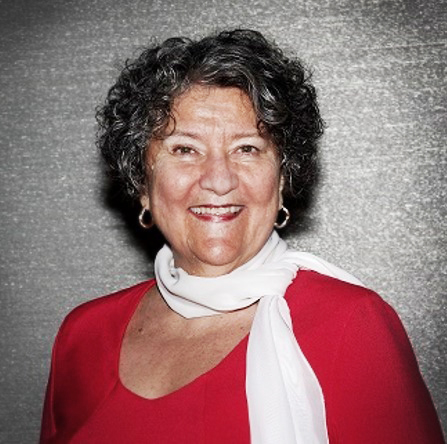
Happy New Year 2024 to the Canadian Stuttering Association (CSA) community: our members, volunteers, supporters, generous donors and sponso
A Magic Moment
Previously, Don McLean very briefly described how he no longer stutters. His latest article flushes out in more detail how that ecstatic ending came to be, some time at the end of November 1971.
The Genetics of Stuttering
The research web site Pursuit, run by the University of Melbourne, has published an article about the genetics of stuttering. Researchers have linked a newly discovered gene to persistent stuttering into adulthood – giving hope to those with severe speech disorders.
Finding Acceptance and Purpose with the CSA
My name is David Liu, and I’m joining the Board of Directors as the Conference and Event Planning Coordinator. Once I learn the ropes, I’ll be leading the planning and execution of the CSA’s Let’s Talk Events and annual conferences.
Late Onset Stuttering: Research Questionnaire
This study, by Alhanoof Sahrah, a speech-language pathologist and a doctoral student at the University of Reading, aims to gather crucial information about Late-Onset Stuttering (LOS) through an online questionnaire. By "late-onset stuttering," we refer to stuttering that occurs later in life (at 18 or above) due to significant psychological trauma, stress, or stuttering that appears for no known reason. The questionnaire covers the causes of LOS, recovery experiences, and perspectives on therapy.
Donations Exceed $15,000 Goal!
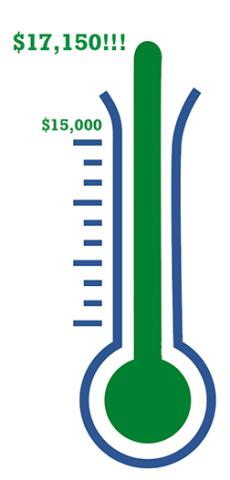
It is with heartfelt gratitude that the CSA Board of Directors announces that we not only reached our $15,000 goal in donations for our Conference and beyond, but we raised a grand total of $17,150!!!&
CSA Conference 2023 Success!
There were many highlights of our CSA 2023 Conference at the beautiful Lord Elgin Hotel in downtown Ottawa!
The Day I was Finally Heard: 52 years Later
The Banquet Dinner
On Saturday night November 4 2023, the Banquet Dinner of the Canadian Stuttering Association took place.